

Protocols were built around one skin type. Patients with darker tones paid the price. Here’s what actually works.
The Problem With the Old Playbook
For a long time, physicians assumed one thing. The “average” person had pale skin. The lasers were calibrated for it. The protocols were written for it. The clinical trials enrolled it. Everyone else was an afterthought, and the afterthought had consequences. Patients with Fitzpatrick skin types IV to VI — olive, brown, deeply pigmented — went in for rejuvenation and came out burned. Striped. Permanently discolored. The treatments meant to help them left marks that lasted years.
The reason is biology. Melanin-rich skin is not just darker. It behaves differently. Melanosomes are larger and more dispersed. Melanocytes are more reactive. When an energy-based device like a laser fires into that skin, the melanin competes for the light. It absorbs what was meant for deeper tissue. The result is thermal injury where you do not want it, and inflammation that triggers more pigmentation. The very thing people came to fix gets worse.
What the Good Do Now
The smart approach starts before the patient sits down. Weeks before. Topical priming helps quiet the melanocytes. In the past this was typically a combination of hydroquinone, tretinoin, and a mild corticosteroid. Today there are a variety of better pretreatment options. The goal is to tell the skin’s pigment producers, in effect, not to overreact. Applied nightly for several weeks before treatment, these regimens significantly reduce the risk of post-inflammatory hyperpigmentation (PIH).
Oral tranexamic acid (TXA) can be added as an adjuvant — an extra safeguard. It blocks a pathway that releases the chemical signals driving melanogenesis after skin injury. It works, but not right for everyone — there are risks with oral TXA.
The Tools That Are Safe
Microneedling is mechanical. It does not use light. There is no chromophore competition, no wavelength hitting melanin by accident. Done carefully — fewer passes, controlled depth, no chasing of pinpoint bleeding — it improves texture and scars without the risks that lasers carry. It produces results. It is reliable.


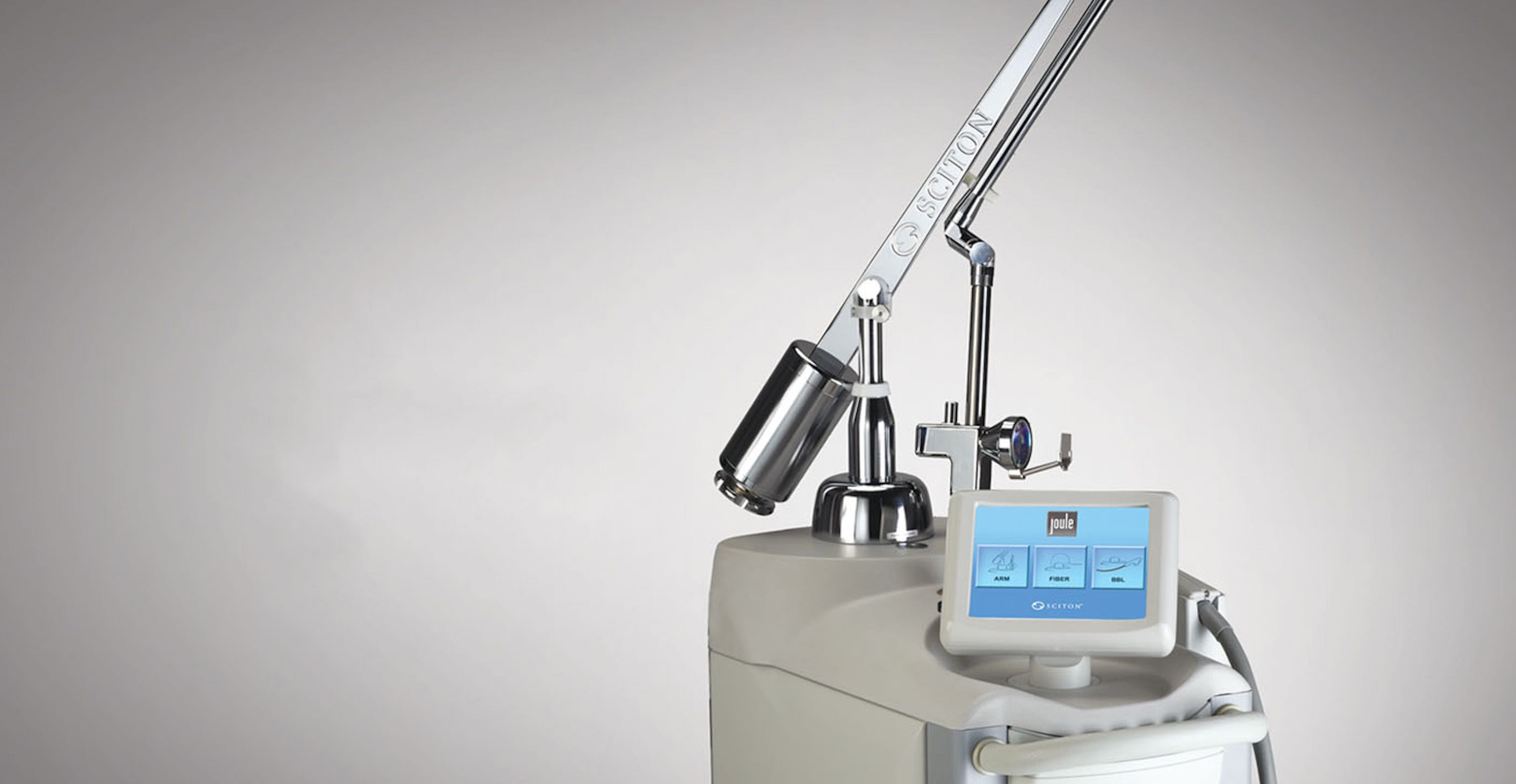
For lasers, the non-ablative Nd:YAG 1064 nm laser is best. Melanin absorbs it poorly. The energy passes through the superficial layers and warms the dermis. Collagen forms. Texture improves. In picosecond durations, the effect is mechanical rather than thermal — the pulse is so short it shatters pigment with pressure rather than heat. Less heat means less inflammation. Less risk.
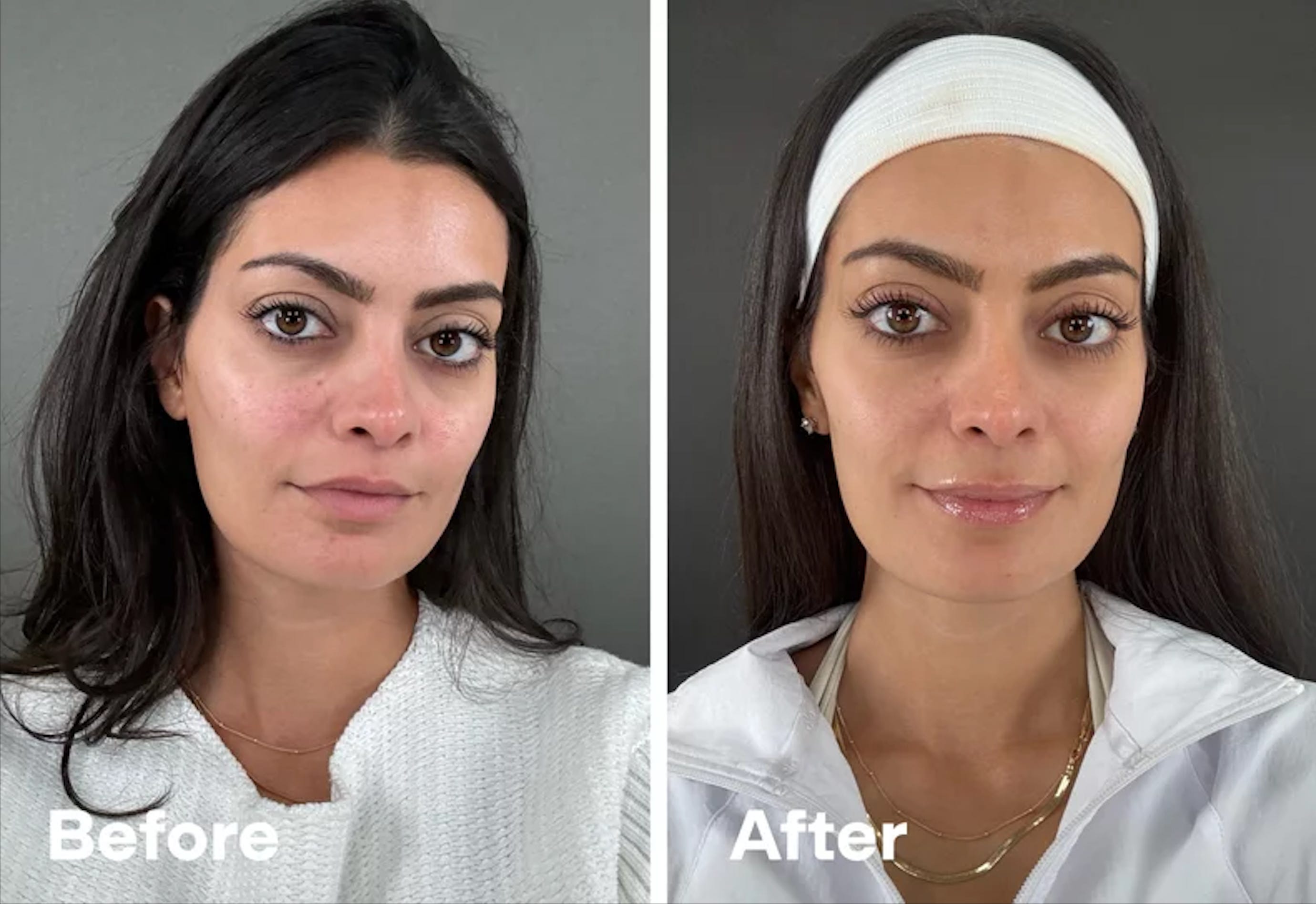
For resurfacing, Erbium lasers are safer than CO2 lasers. They rejuvenate the skin without producing nearly as much heat. Heat is the factor driving complications. Fractionated lasers reduce that risk further by treating only a portion of the skin at each session. Fractional Erbium is the best resurfacing option.


What to Leave Alone
Intense pulsed light (IPL, or “photofacial”) causes stripe burns in darker skin. The broad spectrum hits melanin across too many wavelengths. Alexandrite and ruby lasers are designed to target melanin. They should not be used for rejuvenation on anyone with significant pigmentation.
Full-field ablative CO2 lasers carries a post-inflammatory hyperpigmentation (PIH) rate approaching 100% (!) in Fitzpatrick V and VI patients. Phenol chemical peels are worse. These are not nuanced cautions. They are hard stops.
Putting It Together: Summary
The field has moved. Slowly, and later than it should have, but it has moved — and the updated protocol is specific enough to follow.
For patients with medium to darker skin tones, the safe path to rejuvenation starts with preparation. Topical pigment-suppressors — tranexamic acid (TXA), niacinamide-based formulations, or stem cell and peptide alternatives for those who prefer it — should be started at least four weeks before any deeper treatment. Retinols or Retin-A should be stopped about a week prior. For some patients, oral tranexamic acid (TXA) can be added for an additional layer of protection. It does carry risk, so anyone with a history of blood clots or who is on hormonal therapy should avoid it.
From there, the treatment ladder is clear. SkinTyte near-infrared (NIR) light therapy and non-ablative Nd:YAG 1064 nm laser are the entry points — no downtime, safe for all skin tones, repeatable every few weeks. For resurfacing, microneedling is the lower-risk option. When ablative laser resurfacing is the right call, fractional Erbium is the right tool: less heat than CO2, fractional delivery to further limit heat injury.
That last principle — restraint over aggression — is the one that changes outcomes. The biology is reactive. Work with it, not against it. The science is there. The tools are there. For patients who were underserved for decades, that matters.
For more, please explore www.socaloncoplastic.com!
…or other laser-related articles here on Substack.
• The Long Road to the Right Wavelength: facial resurfacing with ablative lasers
• How Plastic Surgery Learned to Stop Worrying, and Started Stacking the Lasers
• The Deep Heat Difference: Why this non-ablative lunchtime laser is so popular