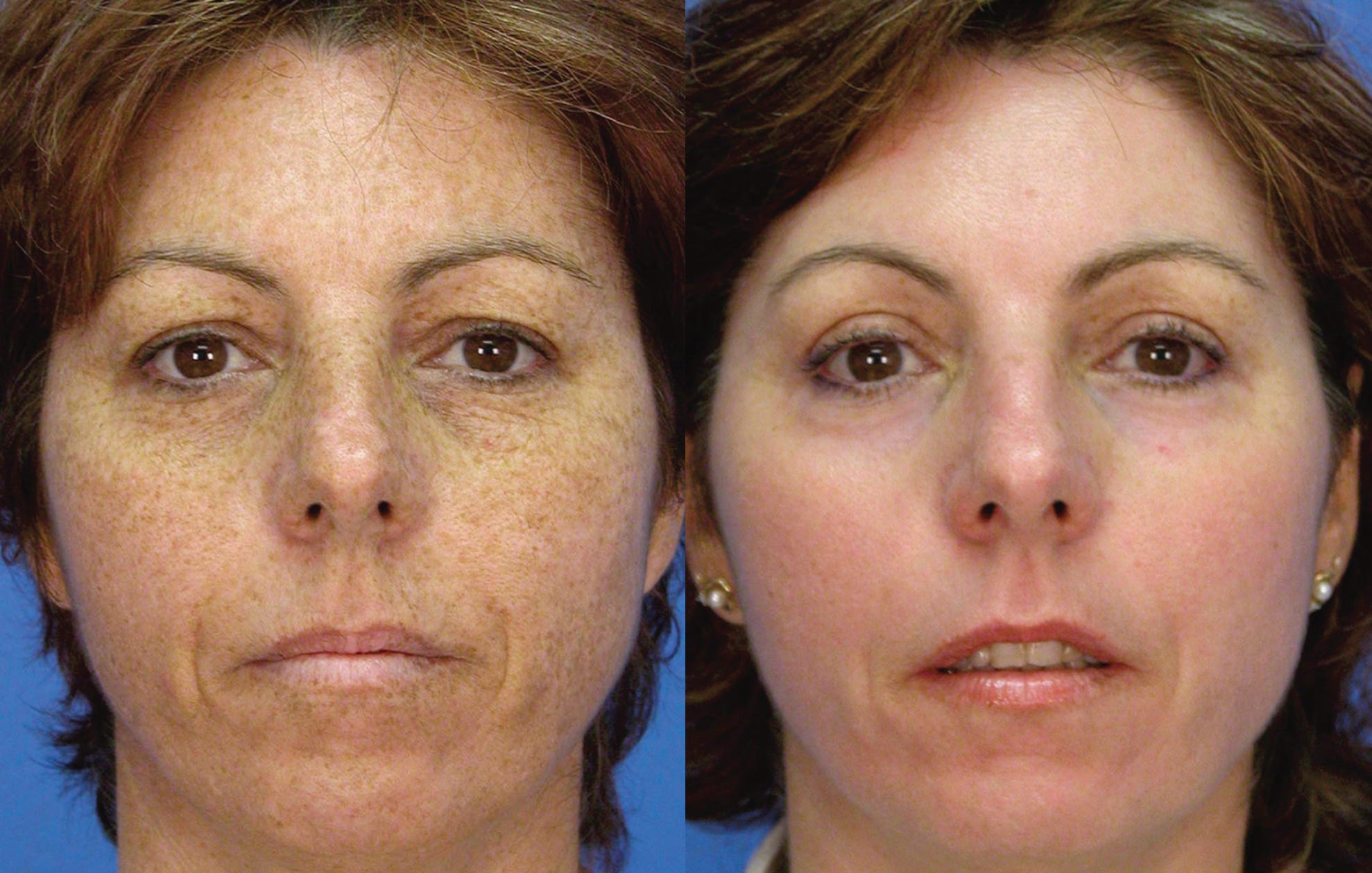
Your face is not simple. It never was.
The laser industry spent decades thinking otherwise. There were pulsed dye laser for redness. The Q-switched for spots. The CO2 laser for wrinkles (still widely in use today). The devices were expensive. The treatments were also expensive for patients, and recovery could be a month long. Each problem addressed alone, as if your skin had ever cooperated with such clean categorization.
Now plastic surgeons have learned how to “stack” lasers, combine them synergistically into a single treatment session. It’s called synergistic photothermolysis, which is a beautifully technical way of saying they finally noticed that aging is complicated. This gives patients more benefits and better results. But the techniques can be tricky. Don’t try it at home, “devil is in the details”.
The Physics
Every laser has one specific target, its chromophore, or the thing that absorbs the laser’s energy. Lasers are designed to hunt that one substance and destroy it. The pulsed dye laser targets hemoglobin, the natural part of blood and blood vessels that gives them red color. The Q-switched laser hunts the melanin in skin’s pigment. The erbium laser seeks water molecules in skin cells, which vaporizes the bad skin.
Your skin contains these 3 targets: melanin, hemoglobin, and water. “Stacking” means hitting all 3 in a particular sequence. Start with BroadBand Light (aka photofacial treatment, or IPL) to clear surface pigment — the browns and reds that scatter energy meant for deeper tissue. Then comes the non-ablative Nd:YAG laser, which doesn’t touch the outer skin but penetrates down gently heating the deep skin to stimulate collagen and help improve tone, texture, and firmness. Finally, the erbium laser vaporizes the skin surface, removing dead cells and polishing texture.
The order matters. Light before non-ablation, only then vaporizing (ablation). Always. Going out of sequence doesn’t work for many reasons. If the ablation is done first, the BroadBand Light doesn’t pass through the vaporized skin.


The Machines
Sciton built a device called the Halo that fires two wavelengths into the same microscopic channel simultaneously. A 1470-nanometer diode creates a column of coagulated tissue deep in the dermis. A 2940-nanometer erbium ablates the roof of that channel. The company markets this as “ablative results with non-ablative downtime,” which means you get the benefits without looking destroyed.
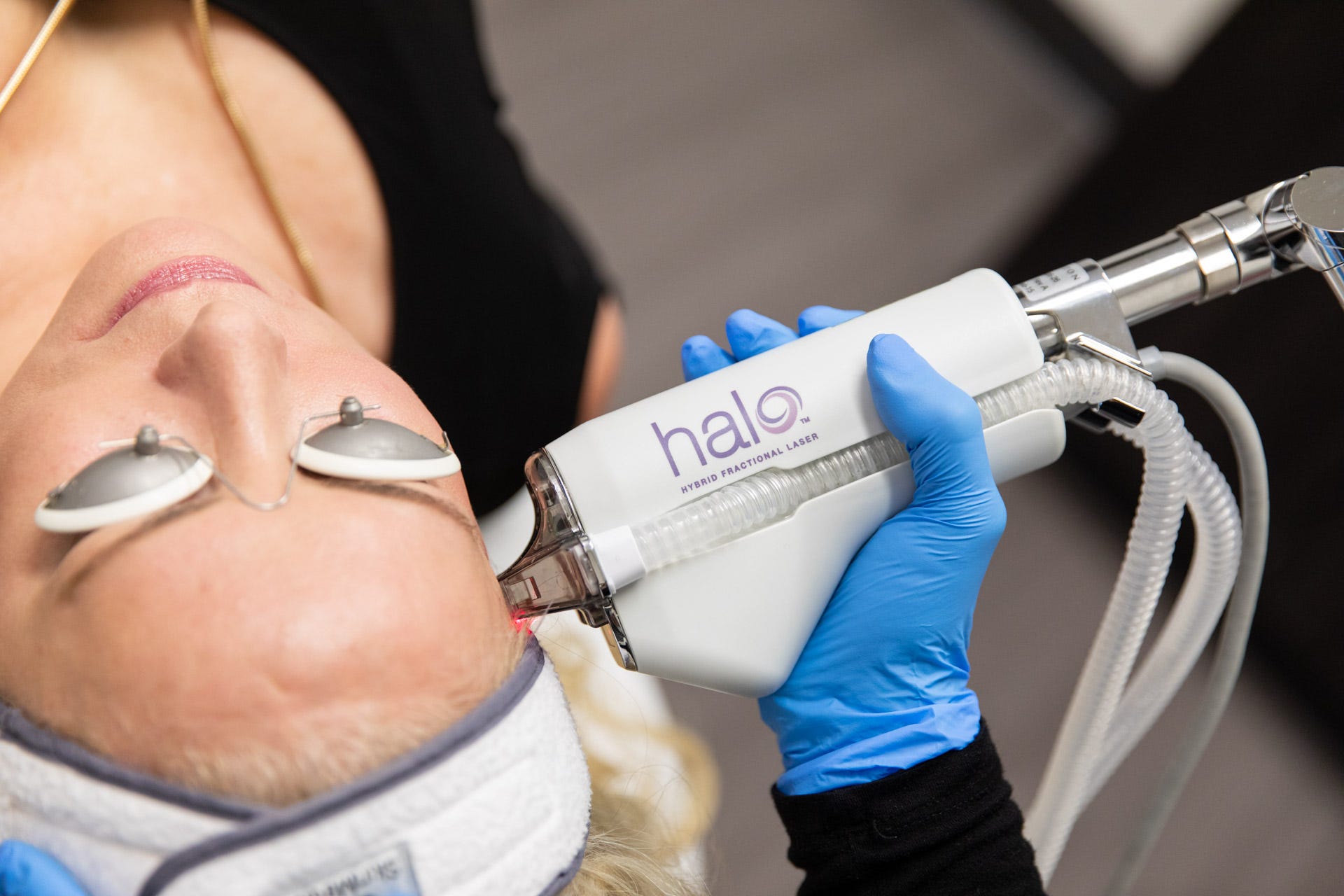
The question is whether to combine or separate. The Halo integrates both wavelengths into one handpiece. Alternatively, practitioners can stack separate devices — an Erbium Contour TRL for ablation with a ClearScan PhotoRev for non-ablation.
Integration has advantages. The Halo fires both lasers into the exact same microscopic zone with perfect precision. One device. One workflow. Less room for operator error.
Separation offers flexibility. You can adjust each laser independently for a more customized treatment session. You can treat one condition without the other. But you need more training and experience.
The Risk
They are all managing the same problem: the “thermal bucket”. That’s a technical term for making sure stacking doesn’t get the skin too hot, too fast. Burns. Fat necrosis. Scarring. Permanent volume loss. Cooling systems protect the surface but cannot reach the deep dermis. So you need good training and enough experience to avoid these potential complications.
The risks increase for patients with darker skin tones. The darker pigment changes the math completely. Their melanin absorbs much more energy, increasing the possibilities of burns and permanent excess skin pigmentation.
An Ounce of Prevention, a Pound of Cure
The model is elegant. Add broadband light to a laser treatment and recovery time does not extend. For example, the patient gets two results for one week of recovery. Training becomes critical. A novice can perform BroadBand Light safely. Stacking requires understanding how to adjust densities based on immediate tissue response. The risk of operator error scales with complexity.
Stanford researchers claim regular BroadBand Light treatments alter gene expression in aged skin cells to resemble younger cells. The clinics call this “prejuvenation”, maintenance for people who want sustainable facial rejuvenation or delaying surgery. It’s a modern take on the old adage – an ounce of prevention is worth a pound of cure.