
Retinol: A User's Guide
Six Weeks (sometimes suffering) for Better Skin

The Retinol Reckoning
Retinol offers a lot of benefits. Anti-aging. Brightening and correcting tone. Fewer acne breakouts. But there is a bargain.
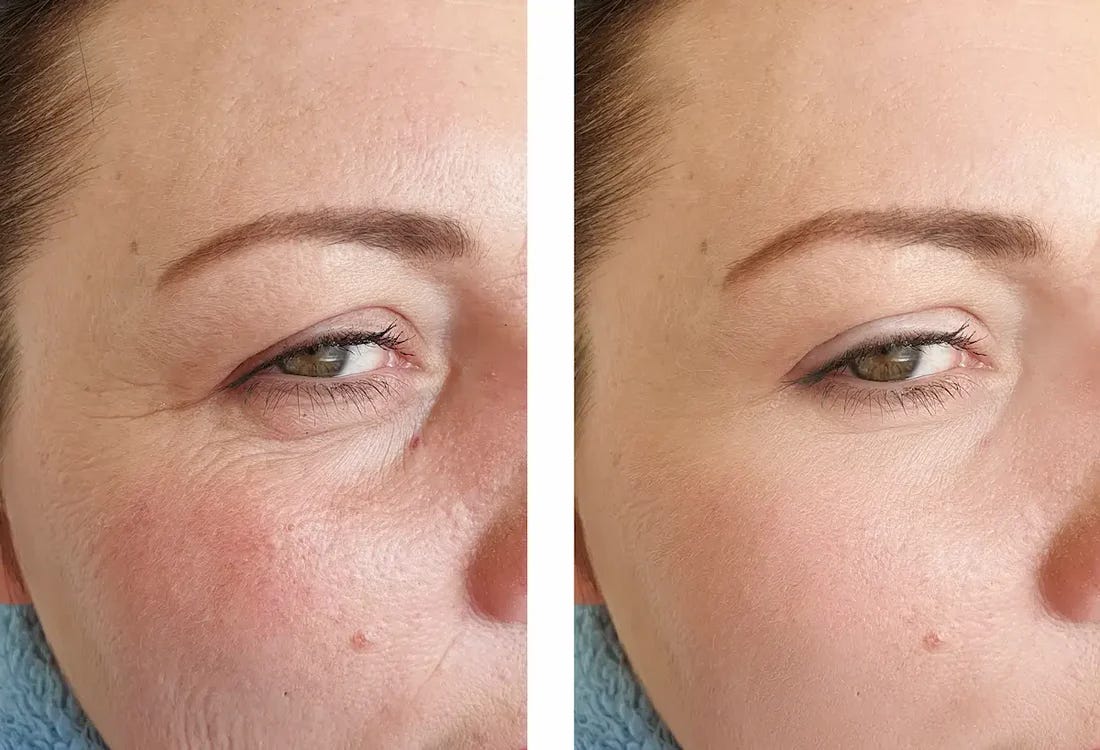
For 6-8 weeks, your skin stages a revolt — what doctors call “retinization” and the internet calls the “retinol uglies” or the “retinol purge.”
Retinol speeds cellular turnover. It boosts collagen. It minimizes pores and oil production. These are good things — but at a temporary price of flaky skin, breakouts, and second-guessing. The trick is knowing what’s normal. Some changes mean it’s working. Excessive suffering means stop.
Start Slow or Pay Later
Retinol comes in various strengths, from gentle over-the-counter serums to prescription tretinoin. Wherever you start, go slow.
Plastic surgeons recommend applying retinol two or three nights a week initially. Sensitive skin? Once a week. Then gradually increase if your skin tolerates it. Most products call for a pea-sized amount. Follow those instructions.
The temptation is to go hard from day one. Don’t. Nightly use from the start amplifies side effects and forces a break while your skin recovers. Slow introduction minimizes irritation, avoids disasters, and let you eventually reach long-term success.
You’ll know you can ramp up when irritation, peeling, and redness settle for at least a week. Your final routine depends on your skin — some thrive on twice weekly, others use it daily, most land somewhere between.
Night Work Only
Always apply retinol at night and follow with sunscreen every morning. Retinol increases photosensitivity, raising the risk of sun damage and hyperpigmentation.
Hold off on exfoliants until your skin adjusts. If you already use one, keep it — but use it on different nights. A gentle cleanser helps remove the dead skin cells retinol creates. Exfoliate in the morning, retinol at night.
The Sandwich Method
Apply retinol between two products (like a vitamin C serum, then retinol, then moisturizer). Layering buffers the irritation. It can be especially important for patients prone to sensitivity, redness, or peeling. Studies show it doesn’t diminish effectiveness.
Use lightweight products. Heavy balms (Aquaphor, petroleum jelly, beef tallow) block proper absorption. If three layers feels excessive, apply retinol first and chase with a moisturizer. This slows water loss and extends absorption.
Expect Flakes, Resist Picking
Your skin will likely shed — not dramatically, no snake-skin sheets. Just small, dry flakes like exaggerated dryness. Retinol accelerates turnover, temporarily thinning the outer skin layer, but it strengthens the skin long-term by thickening the dermis and boosting collagen.
Don’t scrub with washcloths or pick with fingers. Both tug away healthy cells and trigger irritation. Only remove what comes easily. If it hurts or makes skin raw, stop. Use moisturizer and patience instead.
The Purge Is Proof
Breakouts may increase temporarily. This “retinol purge” isn’t failure — it’s evidence of success. Retinol brings clogged pores and impurities to the surface faster, condensing months of potential breakouts into weeks.
This typically lasts 4-6 weeks. Stick with your normal routine and let breakouts run their course without picking or scrubbing.
When to Stop
Light redness, flaking, dryness, and increased breakouts are normal. Severe burning, persistent stinging, raw or weeping skin, hives, and significant swelling are not. These indicate compromised skin health, overuse, or formulation sensitivity. Stop immediately and let skin heal.
Give yourself 4 weeks minimum before big events. Don’t use retinol after microneedling, lasers, or on sunburned skin.
After 6-8 weeks, your skin undergoes physiological changes. Increased resilience. Relief from dryness and sensitivity. Improved tone and texture. It’s “in shape.” That tunnel has an end. You just have to get through it first.
Not All Retinols Are Equal
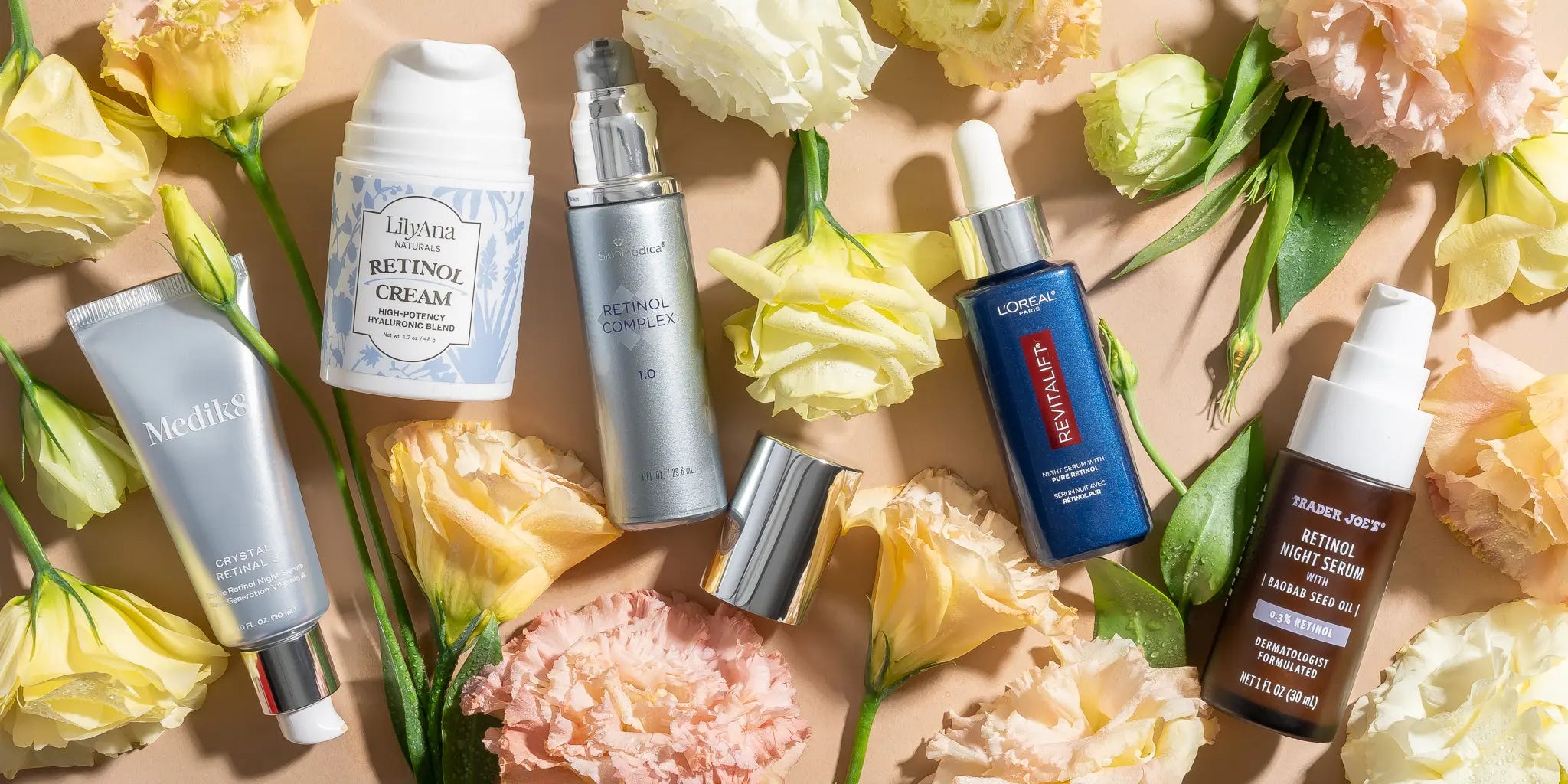
Formulations vary widely. NYT’s Wirecutter has a great breakdown and recommendations worth reading before you buy. The right retinol for you depends on your skin — sensitivity, goals, and where you’re starting from. At SoCal OncoPlastic Surgery, we can help you find the right fit. Every day, all of our skincare products are 25% off. That includes the best-in-class SkinMedica Retinol Complex 1.0 at $72 (MSRP $96). Professional-grade, and priced to make starting easier.
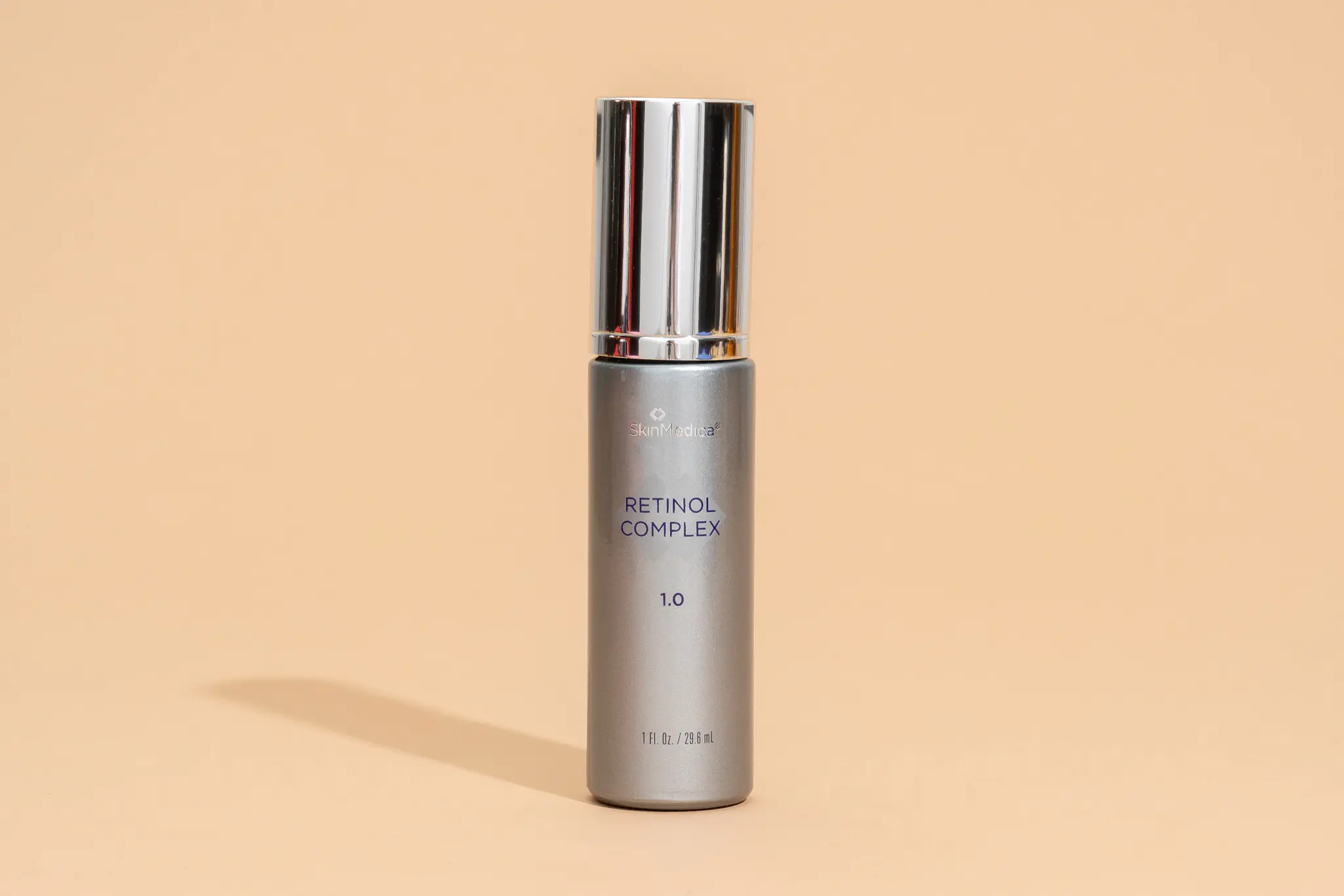
SoCal OncoPlastic Surgery in Newport Beach, California.
📞 (949) 229-7971