
The Acne Protocol That Could Replace Accutane
New approaches for the patients isotretinoin leaves behind

The Problem With the Magic Pill
Accutane works. That is the truth. For decades it has been the nuclear option in acne treatment — the drug that addresses every driver of the disease at once: clogged follicles, excess oil, bacteria, inflammation. One pill, four pathogenic mechanisms. Doctors love it because it delivers.


But Accutane is also brutal. Liver toxicity. Severe birth defects. Mood changes that can turn dark. Mandatory pregnancy tests. Monthly blood draws. A federal registry just to get the prescription filled. For many patients, the drug is simply not an option. They are left without a clear answer. Until now, that has meant managing, not curing.
A New Architecture for Skin
Modern skin medicine has built something worth examining. It is not a single drug. It is a system — a multi-modal regimen that attacks acne the way a general attacks a fortified position: from every direction, simultaneously.
In the morning, the skin gets encapsulated salicylic acid — the encapsulation matters, delivering the active ingredient at a sustained, controlled rate with less irritation than traditional formulations — paired with 15 to 20% azelaic acid, or higher. The salicylic acid opens the door; the azelaic acid walks through it. Together they kill bacteria, inhibit the enzyme that converts testosterone into its more potent androgenic form, and interrupt the oxidation of sebum that makes it comedogenic in the first place.


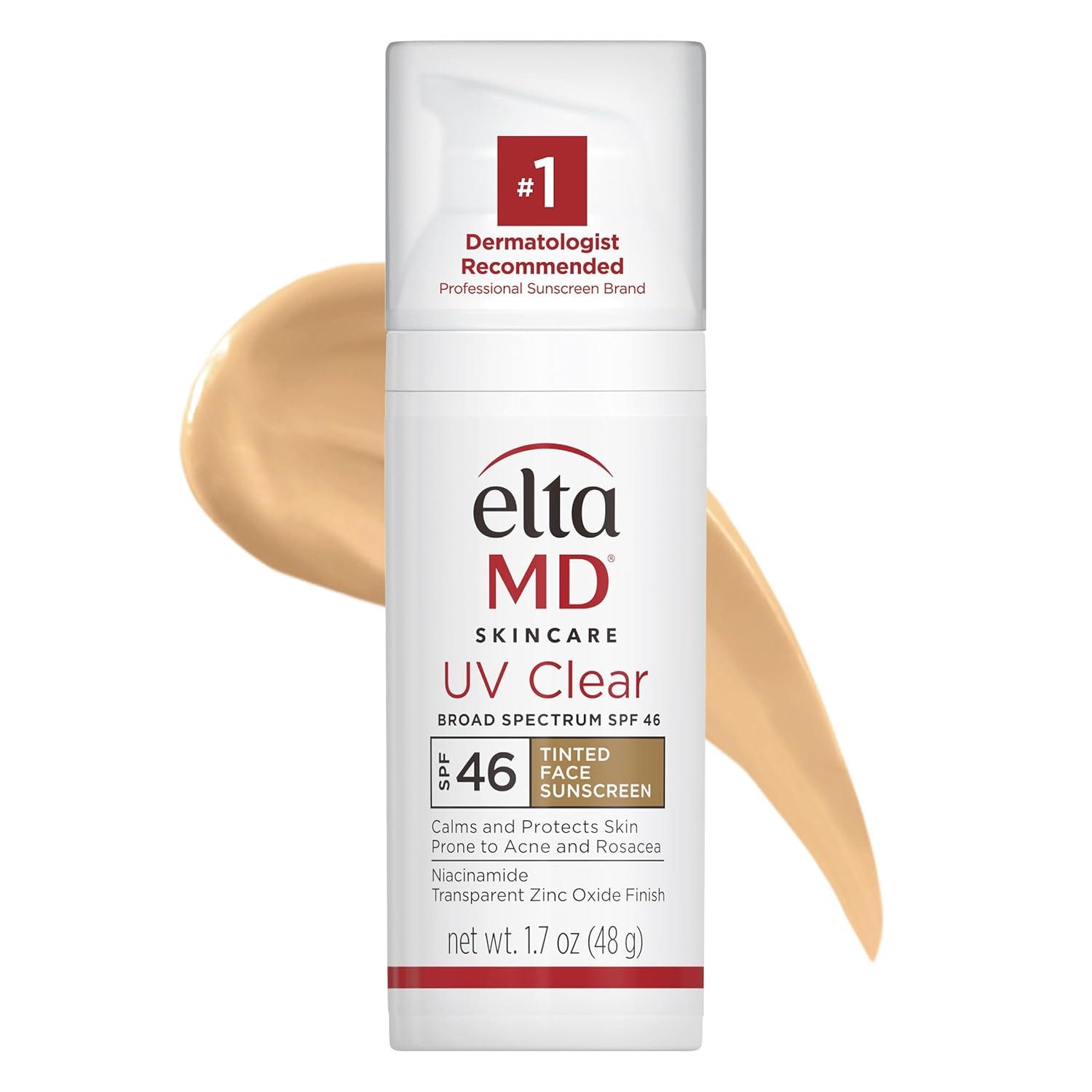
On top of that, EltaMD UV Clear Facial Sunscreen closes the stack — broad-spectrum SPF, niacinamide, and light moisturization, all three in a single step. The skin is now defended. Clean and efficient.
At night, the retinoid goes to work. For patients under thirty, adapalene is the choice. For those past thirty, retinol may be the better option — gentler, with a strong evidence base for collagen stimulation and the fine-line correction that starts to matter with age. Either way, a ceramide-rich moisturizer follows. The barrier has been stressed by acids and retinoids. It needs rebuilding. This is not optional.


The Procedures That Do What Creams Cannot
Topicals have a ceiling. That is the honest truth. Some patients need more.
BroadBand Light therapy targets the redness, the pigmentation, and the ghost of every past lesion — and for active acne, the results are striking. In a study of over 100 patients with moderate-to-severe inflammatory acne, roughly 80 percent achieved either complete clearance or at least 75 percent improvement after six to eight sessions spaced two weeks apart, with results lasting six months or more.
Light chemical peels — monthly at most — provide a deeper reset of the pore lining than daily cleansing can achieve, clearing follicular impactions and improving surface texture during active phases of acne. Most patients notice the difference immediately.
For patients with active scarring, microneedling creates controlled micro-injuries in the dermis that trigger the body’s natural collagen-building response. Rolling scars. Boxcar scars. Ice-pick scars. Microneedling reaches where creams simply cannot.


What the Regimen Gets Right
The great insight of this protocol is architectural. It does not attempt to replicate Accutane’s mechanism with a single substitute. It distributes the work. Salicylic acid handles follicular clearance. Azelaic acid manages bacteria and pigmentation. The retinoid normalizes keratinization over time. Procedural interventions suppress glandular activity and remodel scar tissue at the structural level. Silk pillowcases, low-glycemic eating, and oral zinc supplements address what even the drugs cannot reach.
Where the core regimen is not enough, additional tools exist. For women whose acne tracks with hormonal cycles — chin breakouts, jawline flares around menstruation — spironolactone is the systemic piece: a diuretic with powerful anti-androgen effects that substantially suppress oil production, though it requires monitoring and is strictly contraindicated in pregnancy. Oral contraceptives offer an alternative when spironolactone is not appropriate. Benzoyl peroxide, newer prescription options like trifarotene, and combination gels (like Cabtreo) round out the toolkit — each deployable as clinical judgment warrants.
Severe acne is not one problem. It is four problems happening simultaneously. A regimen that treats them the same way — simultaneously, from multiple angles — is not a compromise position. It is a different kind of precision entirely. Accutane was a hammer. This is a scalpel set.